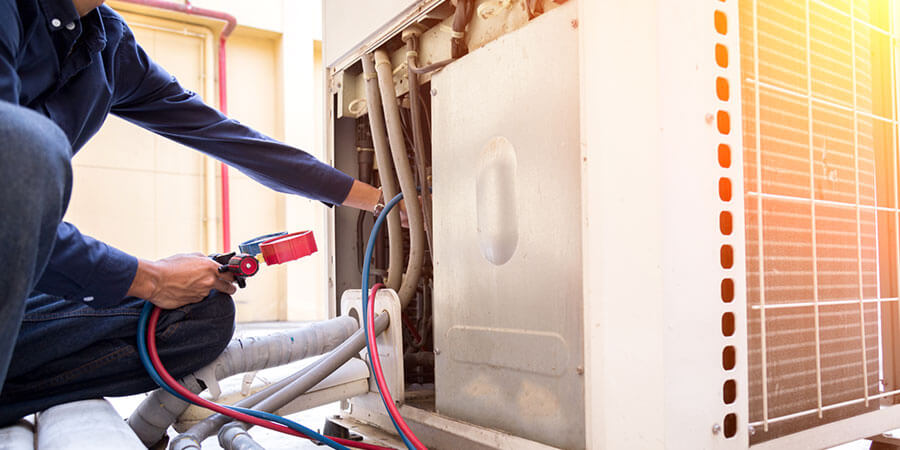

As temperatures begin to drop, a reliable heating system becomes one of the most important parts of a comfortable home. Whether it is a furnace, heat pump, or central heating system, homeowners depend on steady indoor warmth throughout the colder months. However, many heating problems develop slowly over time and often go unnoticed until the system begins struggling to keep rooms warm efficiently.
Heating systems operate under constant pressure during winter. Dust accumulation, ageing components, airflow restrictions, and neglected servicing can gradually reduce performance. Without proper maintenance, systems may consume more energy, heat unevenly, and become more vulnerable to unexpected breakdowns during periods of heavy use.
Many homeowners schedule heating maintenance in Wilmington, NC before colder weather arrives to improve energy efficiency, reduce breakdown risks, and maintain consistent indoor comfort throughout winter.
Fortunately, regular maintenance habits can make a noticeable difference in heating performance, reliability, and long-term efficiency. Small preventative steps often help homeowners avoid expensive repairs while creating a warmer and more comfortable indoor environment.
Why Heating Systems Need Regular Maintenance
Heating systems naturally experience wear as they age. Daily operation places strain on motors, electrical components, filters, and airflow systems, especially during colder months when equipment runs for extended periods.
One of the most common causes of heating inefficiency is restricted airflow. Dirty filters, blocked vents, and dust buildup force systems to work harder to circulate warm air throughout the home.
Over time, neglected systems may struggle to maintain consistent temperatures, leading to uneven heating and rising utility costs. Components that are not properly maintained often wear out faster, increasing the likelihood of breakdowns.
Several factors commonly reduce heating system performance over time, including dirty or clogged air filters, restricted airflow through vents, dust buildup around heating components, ageing electrical parts, thermostat calibration issues, and the increased demand placed on heating systems during colder winter months. Regular servicing helps identify these problems early before they begin affecting overall comfort, efficiency, and long-term system reliability.
How Small Problems Become Larger Repairs
Minor heating issues rarely improve without attention. A clogged filter or loose component may seem insignificant at first, but continued strain often causes additional wear throughout the system. Over time, small maintenance concerns can lead to expensive repairs, reduced efficiency, or complete heating failure during the coldest periods of winter.
Common Warning Signs Your Heating System Needs Attention
Heating systems often provide clear warning signs when maintenance is overdue. Recognising these symptoms early can help homeowners avoid sudden breakdowns and costly emergency repairs. Uneven room temperatures are one of the most common indicators. Some rooms may feel colder than others when airflow becomes restricted or system performance declines.
Weak airflow from vents may signal clogged filters, duct problems, or blower motor issues. Reduced airflow limits the system’s ability to distribute warm air efficiently. Homeowners should also pay attention to unusual sounds. Rattling, squealing, humming, or banging noises often suggest loose components or internal wear.
Common warning signs that often indicate heating maintenance is needed include: rising energy bills during winter, frequent heating cycles, delayed heating response, unusual odours when the system starts, inconsistent indoor temperatures, and excess dust circulating indoors. Addressing these symptoms early often improves performance while reducing long-term repair costs.
Why Early Detection Matters
Heating systems tend to deteriorate gradually rather than failing suddenly without warning. Early maintenance helps identify developing issues before they place excessive strain on other components. Preventative servicing often reduces repair expenses while improving overall system lifespan and reliability.
Simple Heating Maintenance Habits Homeowners Can Follow
Many heating maintenance tasks are straightforward and can easily become part of a regular household routine. Replacing air filters regularly remains one of the most effective ways to improve heating efficiency. Dirty filters reduce airflow and force systems to work harder than necessary. Keeping vents and radiators unobstructed also helps maintain balanced airflow throughout the home. Furniture, curtains, or storage items blocking vents can interfere with heat distribution. Simple heating habits that support better system performance include: checking filters monthly during winter, keeping vents fully open and unobstructed, cleaning dust around indoor heating units, monitoring thermostat settings regularly, watching for unusual sounds or odours, and keeping outdoor equipment clear of debris. These small maintenance habits can improve comfort while reducing unnecessary strain on heating equipment.
The Benefits of Professional Heating Inspections
While homeowner maintenance is helpful, professional inspections provide a deeper evaluation of system performance and safety. Technicians inspect internal components, airflow systems, electrical connections, and heating controls to identify problems that may not yet be visible during normal operation.Professional servicing also improves system efficiency by cleaning internal components and ensuring the equipment operates correctly during colder weather.
A professional heating inspection may include: inspecting burner performance, testing thermostat accuracy, evaluating airflow efficiency, cleaning internal components, checking electrical connections, and inspecting safety systems. These inspections help improve reliability while reducing the risk of mid-winter breakdowns.
What Technicians Commonly Check During Maintenance
Heating professionals typically focus on areas most likely to affect safety and performance. Heat exchangers, blower motors, airflow systems, and ignition components often require close inspection during seasonal servicing.
Regular inspections help maintain safer and more efficient operation throughout winter.
How Heating Maintenance Improves Indoor Air Quality
Heating systems affect more than temperature control. They also influence indoor air quality throughout the home. Dust, allergens, pet dander, and airborne particles can accumulate inside filters and ductwork over time. Without proper maintenance, these contaminants may continue circulating whenever the heating system operates.
Clean filters and unrestricted airflow help improve indoor air conditions while reducing dust accumulation throughout living spaces. Several maintenance habits that support healthier indoor air quality include: replacing dirty filters regularly, cleaning vents and surrounding areas, monitoring indoor humidity levels, scheduling periodic duct inspections, and maintaining proper airflow throughout rooms.
Cleaner systems generally create fresher and more comfortable indoor environments.
Energy-Saving Habits That Support Better Heating Performance
Alongside routine maintenance, several household habits can improve heating efficiency and reduce unnecessary energy use. Improving insulation helps prevent warm air from escaping through roofs, doors, and windows. Reducing heat loss allows heating systems to maintain comfortable temperatures more efficiently.
Programmable thermostats also help manage indoor temperatures effectively. Lowering temperatures slightly overnight or while away from home can reduce energy consumption without sacrificing comfort.
Simple energy-saving habits that support heating performance include: sealing drafts around windows and doors, using thick curtains during colder evenings, allowing sunlight to warm rooms naturally during the day, maintaining steady thermostat settings, and avoiding blocked airflow throughout the home. These adjustments often lead to noticeable savings on winter heating costs.
Conclusion
Reliable heating systems require consistent care to perform efficiently throughout colder months. Small maintenance habits, routine inspections, and early attention to warning signs can significantly improve comfort, reliability, and long-term system performance.
By replacing filters regularly, improving airflow, scheduling professional inspections, and adopting energy-saving habits, homeowners can reduce repair risks while maintaining a warmer and more efficient indoor environment.
Preventative heating maintenance not only supports lower energy costs but also helps create a safer, healthier, and more comfortable home all winter long.