
Chimney damage does not always begin with obvious cracks, loose bricks, or smoke entering the living room. Moisture, temperature changes, and gradual wear can weaken a chimney long before visible signs appear. Ignoring these early problems may allow minor deterioration to develop into more extensive structural damage or affect fireplace safety.
Homeowners in Minnesota should pay particular attention to these risks because seasonal temperature changes and winter conditions can put considerable stress on masonry. Understanding when to seek chimney restoration services in Minneapolis, MN can help homeowners identify underlying problems, protect their property, and determine which repairs are necessary before the damage progresses.
1. Repeated Freeze-Thaw Cycles
One of the most overlooked causes of chimney damage is the repeated freezing and thawing of moisture inside masonry. Brick and mortar are porous, meaning they can absorb water from rain, melting snow, and surrounding damp surfaces. When temperatures fall below freezing, trapped moisture expands as it turns into ice, placing pressure on the material.
As temperatures rise, the ice melts, allowing more moisture to enter small openings. Repeated cycles can gradually cause bricks to crack, flake, or break apart. This process, known as spalling, can affect both the appearance and structural condition of a chimney.
Homeowners can reduce the risk by arranging inspections when masonry begins to deteriorate, addressing damaged mortar joints, and correcting sources of water penetration before winter.
2. Small Leaks Around the Chimney Flashing
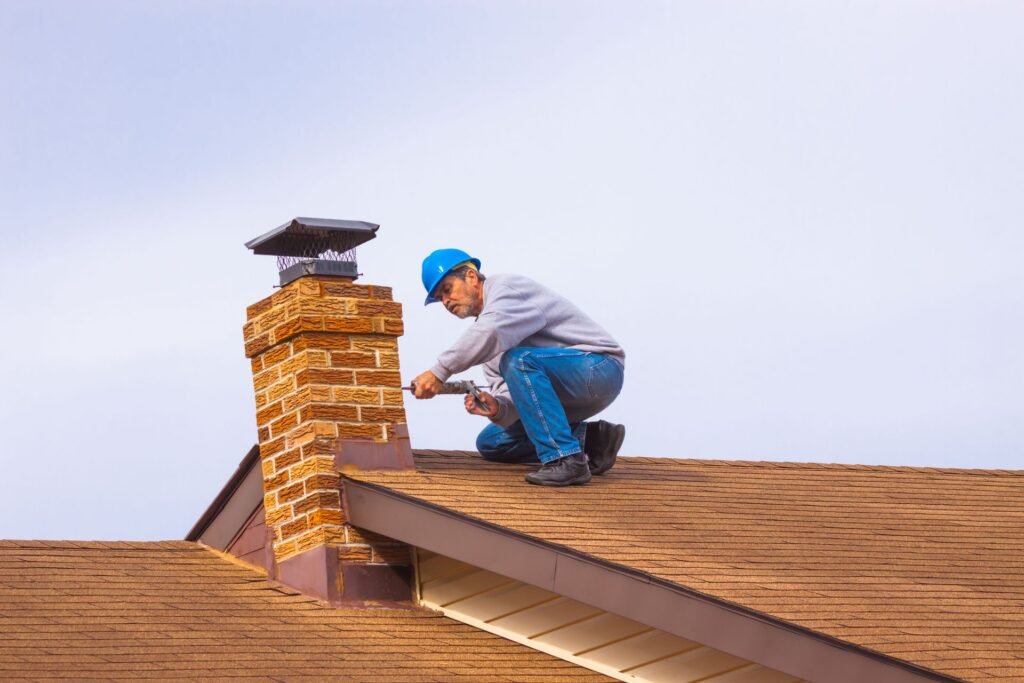
Flashing is the material installed where the chimney meets the roof. Its purpose is to direct water away from this vulnerable joint and prevent moisture from entering the roof structure. Even a small gap, loose section, or deteriorated seal can allow water to seep inside.
These leaks are easy to overlook because water may travel along roof materials or framing before appearing as a ceiling stain. By the time the damage becomes visible indoors, moisture may already have affected the chimney’s masonry or surrounding building materials.
Look for water stains near the chimney, damp patches in the attic, peeling paint, or unexplained moisture after rainfall. A roofing or chimney professional can determine whether the flashing, nearby roof materials, or another component is responsible.
3. A Damaged Chimney Crown
The chimney crown is the protective surface at the top of a masonry chimney, surrounding the flue opening. It helps shed rain and melting snow away from the brickwork beneath it. Because the crown is exposed to harsh outdoor conditions throughout the year, it can develop cracks and other forms of deterioration.
Water entering through these openings can penetrate the masonry below, particularly during periods of freezing weather. Small crown defects may eventually contribute to damaged bricks, weakened mortar, and leaks inside the chimney structure.
A chimney crown should be checked for visible cracking, crumbling edges, and areas where water may collect rather than drain away. Repairs should address the underlying defect instead of merely covering the surface with an unsuitable sealant.
4. Deteriorating Mortar Joints
Mortar holds the bricks of a masonry chimney together and helps keep moisture out of the structure. Over time, exposure to rain, wind, temperature changes, and natural aging can cause mortar joints to crack, crumble, or recede.
This deterioration is sometimes mistaken for a cosmetic problem. However, missing mortar allows more water to enter the chimney and can reduce the stability of the surrounding brickwork. If the damage spreads, individual bricks may loosen or require replacement.
Tuckpointing, which involves removing deteriorated mortar and replacing it with suitable new mortar, can help restore the joints. The replacement material must be compatible with the existing masonry to avoid creating additional stress or damage.
5. Poor Drainage Around the Chimney
Water does not need to enter directly through the chimney to cause problems. Poor roof drainage, blocked gutters, and water pooling around nearby roof sections can expose chimney masonry to prolonged moisture.
When gutters overflow, water may repeatedly run down exterior walls or collect near the chimney base. Over time, this exposure can contribute to staining, mortar deterioration, and damage to adjacent building materials.
Check gutters and downspouts periodically, especially after heavy rainfall and before winter. Ensure that water is directed away from the building rather than allowed to accumulate around the foundation. If dampness persists near the chimney, investigate the drainage problem instead of treating only the visible damage.
6. A Missing or Damaged Chimney Cap
A chimney cap sits over the flue opening and helps keep rain, snow, leaves, and animals from entering. If the cap becomes loose, corroded, damaged, or missing, the chimney may be exposed to moisture and debris.
Leaves and nesting materials can obstruct airflow, while rainwater entering the flue may damage internal components or contribute to masonry deterioration. Animals can also introduce debris that creates ventilation problems.
Inspect the cap from a safe location on the ground using binoculars if necessary. Do not climb onto the roof to check it yourself. If the cap appears damaged or the fireplace develops unusual drafting problems, arrange a professional assessment.
7. A Deteriorating Chimney Liner
The chimney liner protects the chimney’s interior and helps contain combustion gases as they travel outside. Depending on the chimney, the liner may be made from clay tile, metal, or another suitable material.
Heat exposure, moisture, corrosive combustion byproducts, and normal aging can damage the liner. Cracked or missing sections may allow heat and combustion gases to reach surrounding materials, increasing fire and carbon monoxide risks.
Unlike exterior masonry damage, liner deterioration may not be visible from outside. Smoke entering the home, persistent drafting difficulties, or debris falling into the firebox can indicate a problem, although these symptoms may have other causes.
If you suspect liner damage, stop using the fireplace until it has been assessed by a qualified chimney professional. A detailed inspection can help determine whether repair or relining is appropriate.
8. Neglected Maintenance and Minor Defects
Small defects can become significant when they remain unnoticed for several seasons. A narrow crack, loose brick, minor leak, or damaged mortar joint may initially appear harmless, but continuing exposure can allow deterioration to spread.
Creosote buildup is another maintenance concern. This flammable deposit forms when wood smoke cools inside the chimney. Although it primarily presents a chimney-fire hazard rather than masonry damage, it can compromise the safe operation of the fireplace.
Regular inspections and cleaning help identify developing problems before they become more difficult to address. Watch for these warning signs:
- White, powdery deposits on exterior bricks, which may indicate moisture moving through the masonry.
- Crumbling mortar, flaking bricks, or pieces of masonry collecting in the firebox.
- Rust on metal components or persistent dampness around the fireplace.
- A leaning chimney, widening cracks, or visible separation from the house.
- Smoke entering the living space or unusual odors when the fireplace is not operating.
These signs do not always identify a single cause. A professional inspection can establish whether the issue involves moisture, masonry, the liner, or another component.
FAQs
Q.1 What is the most common cause of chimney masonry damage?
Moisture is a major contributor to masonry deterioration. Rain, snow, leaking flashing, and cracked crowns can allow water to penetrate bricks and mortar, where repeated freezing and thawing may worsen the damage.
Q.2 Can chimney damage occur without visible cracks?
Yes. A damaged liner, concealed flashing leak, or internal moisture problem may develop without obvious exterior cracks. An inspection can help identify defects that are difficult to see from the ground.
Q.3 How often should a chimney be inspected?
The Chimney Safety Institute of America recommends annual chimney inspections. Additional assessments may be appropriate after severe weather, a chimney fire, or the discovery of damage.
Q.4 Is it safe to use a fireplace when the chimney is damaged?
Not necessarily. Structural damage, a compromised liner, or ventilation problems may create fire or carbon monoxide hazards. Stop using the fireplace if you suspect a safety-related defect and arrange a professional inspection.
Q.5 Can minor chimney damage be repaired without rebuilding the entire structure?
Many localized problems, such as deteriorated mortar joints or limited brick damage, can be addressed with targeted repairs. Extensive structural deterioration may require more substantial restoration. The appropriate solution depends on the chimney’s condition.
Final Thoughts
Chimney damage can develop through moisture intrusion, freeze-thaw cycles, deteriorating mortar, faulty flashing, and neglected maintenance. Regular inspections, prompt attention to leaks, and proper care of the chimney cap and crown can help limit deterioration and preserve safe operation.
If you notice persistent moisture, crumbling masonry, or signs of internal damage, arrange a professional assessment rather than relying on surface repairs. Qualified chimney restoration services in Minneapolis, MN can help identify the underlying cause and determine whether localized repairs or more extensive restoration is needed.